The Soul of the Machine: Scaling Branded Persona and Multimodal INTERACTION for BMW AI
How I helped transform the BMW Intelligent Personal Assistant from a reactive voice feature into a proactive driving companion.
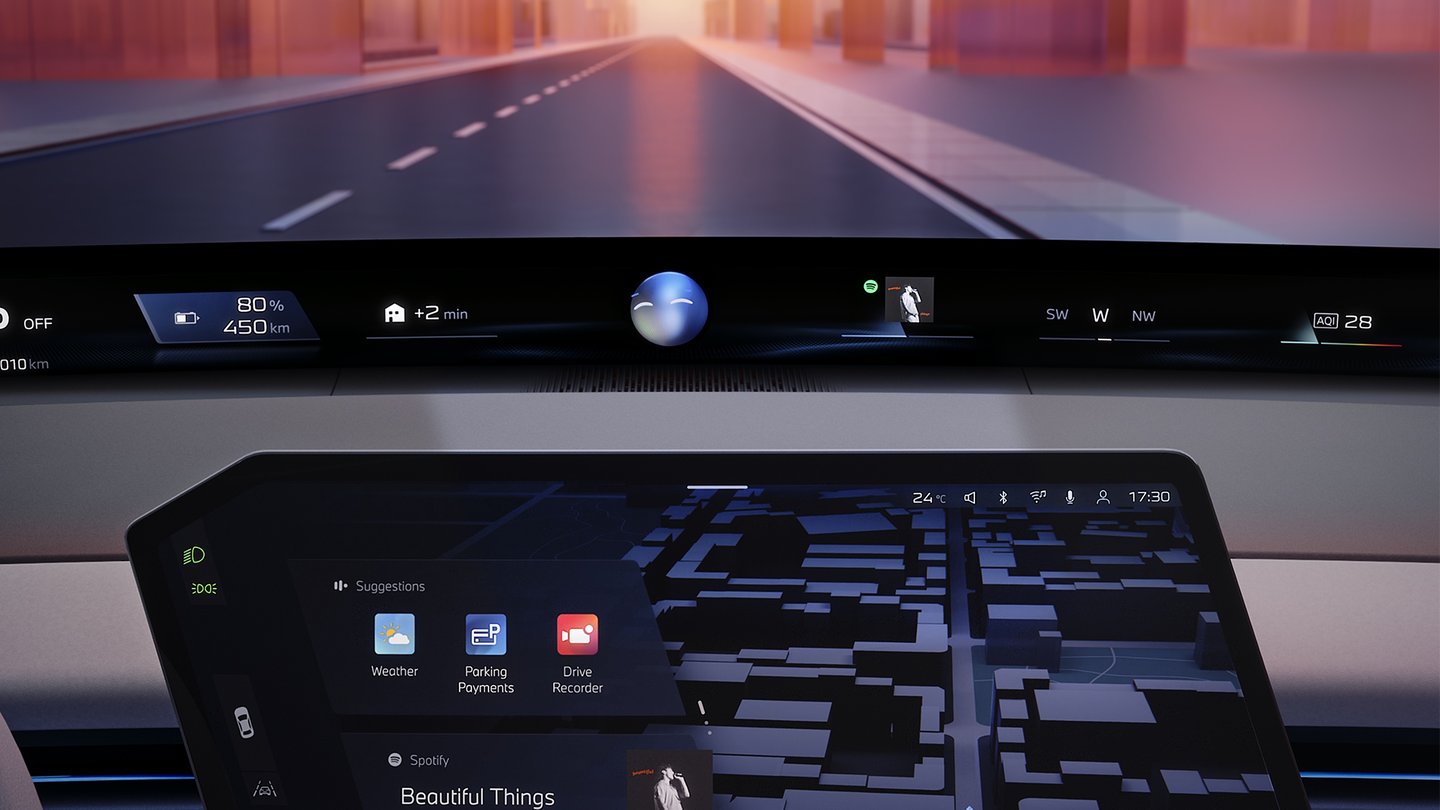
CASE Summary
At BMW, I led the evolution of the interaction frameworks, transitioning the in-car assistant from a functional voice tool into a proactive, emotionally intelligent AI companion. My work harmonised branded identity with complex behavioural logic to create a seamless multimodal experience across global markets, with a specific focus on the unique cultural and linguistic needs of the Chinese ecosystem. By architecting the persona definition, dialogue architecture, and branded TTS voices, I established a unified VUI system that matured the product experience and drove increased user engagement through more natural, context-aware interactions.
My Role: Product Designer
Sector: Automotive / Multimodal AI
Scope: iDrive 7 (Localisation) → iDrive 8 & 9 (Global Framework Lead)
Brand: BMW
Primary Markets: Global, with special focus on China
The Strategic Challenge: Beyond Voice
Before the evolution of iDrive 8 and 9, the in-car assistant operated within the limitations of a 'functional tool'. The experience was defined by:
Robotic Interactions: A reliance on generic, supplier-provided voices that lacked emotional depth or brand alignment.
Reactive Logic: The system only responded to direct commands and limited utterances, failing to meet user expectations or offer proactive value.
Fragmented Identity: Inconsistent UX across features due to multiple designers contributing without a unified voice style guide.
In 2018, BMW announced a transformative product strategy: the re-architecture of the voice control capability into an emotionally intelligent driving companion. This vision demanded a fundamental shift away from rigid "if-this-then-that" scripts toward a fluid, multimodal system that felt like a natural extension of the BMW brand—intuitive, premium, and contextually aware.
This strategic pivot coincided with the emergence of the ‘China Challenge’. As local competitors rapidly disrupted the market with innovative, digital-first cabin experiences, BMW’s legacy system constraints and direct German-to-Mandarin translations became a point of high friction.
Cultural Expectations: Chinese users expect a higher degree of personality and 'humanoid' connection from AI assistants.
Linguistic Complexity: Realising natural conversation required a total rebuild of dialogue flows to suit local linguistic patterns and mental models.
Visual Resonance: Research revealed that expressive avatars were essential for building an emotional bond in this specific region.
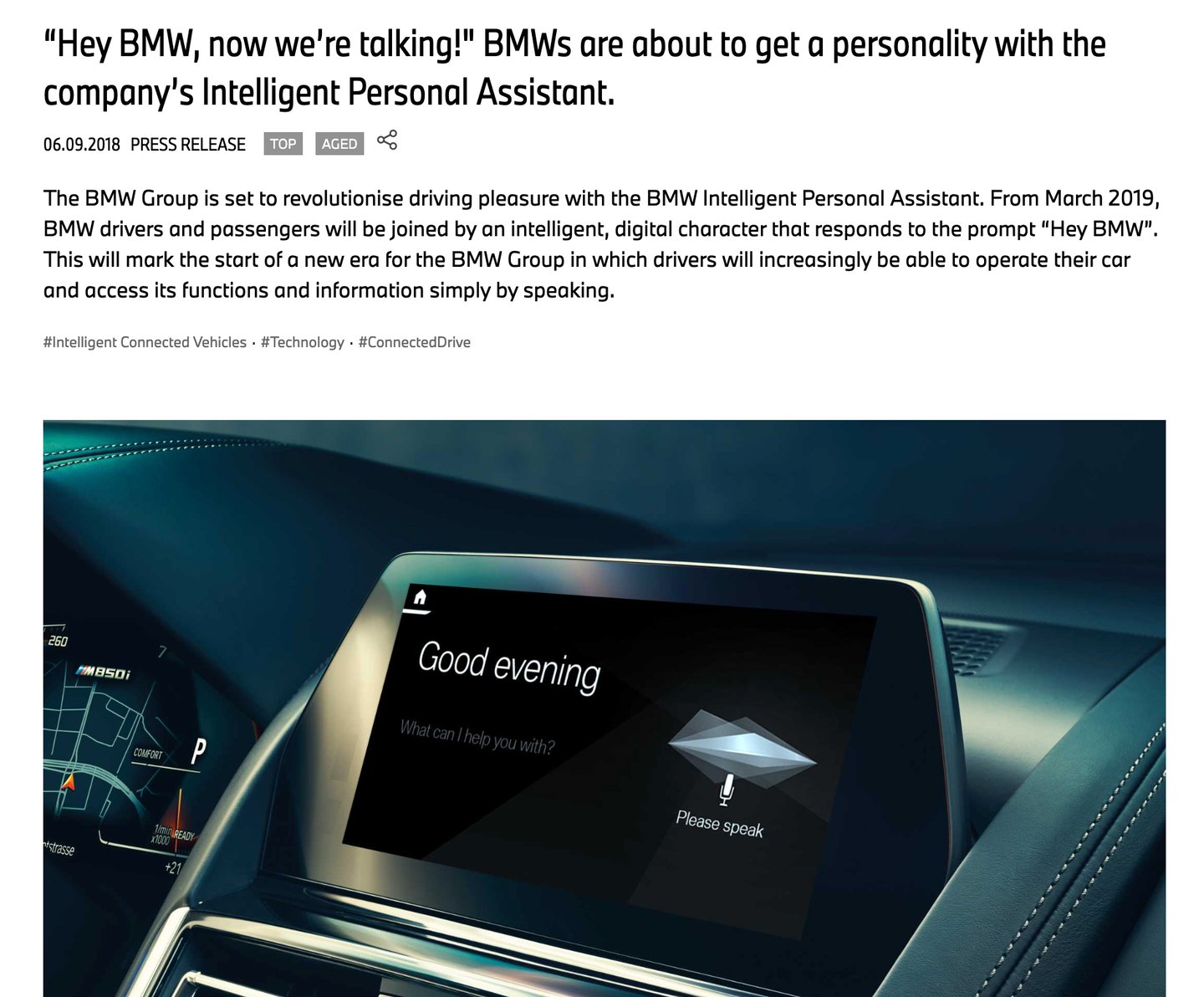
The public announcement of the transformative product strategy — Driving Companion
MY GROWTH WITH THE PRODUCT
Over four years working on BMW’s Intelligent Personal Assistant, my role evolved from localising the iDrive 7 experience for China to leading the experience architecture for the iDrive 8 and 9 platforms.
Chapter 1: Building the Foundation — iDrive 7
I joined as the first regional designer dedicated to localising the iDrive 7 experience for the Chinese market. My work focused on bridging the gap between central German design and local user expectations—refining dialogue logic, linguistic nuances, and cultural interaction patterns. Through this work, I developed a deep understanding of the system architecture while establishing strong collaboration with the central product and engineering teams.
Chapter 2: Shaping the Next Generation — iDrive 8 & 9
As the platform evolved, so did my role. For iDrive 8 and 9, I transitioned from regional localisation to a global design leadership role, contributing to the core experience architecture of the next-generation assistant. Rather than adapting an existing framework, I helped define the multimodal interaction logic and branded personality that would shape BMW’s AI companion across future vehicle platforms.

Architecting the Multimodal Ecosystem
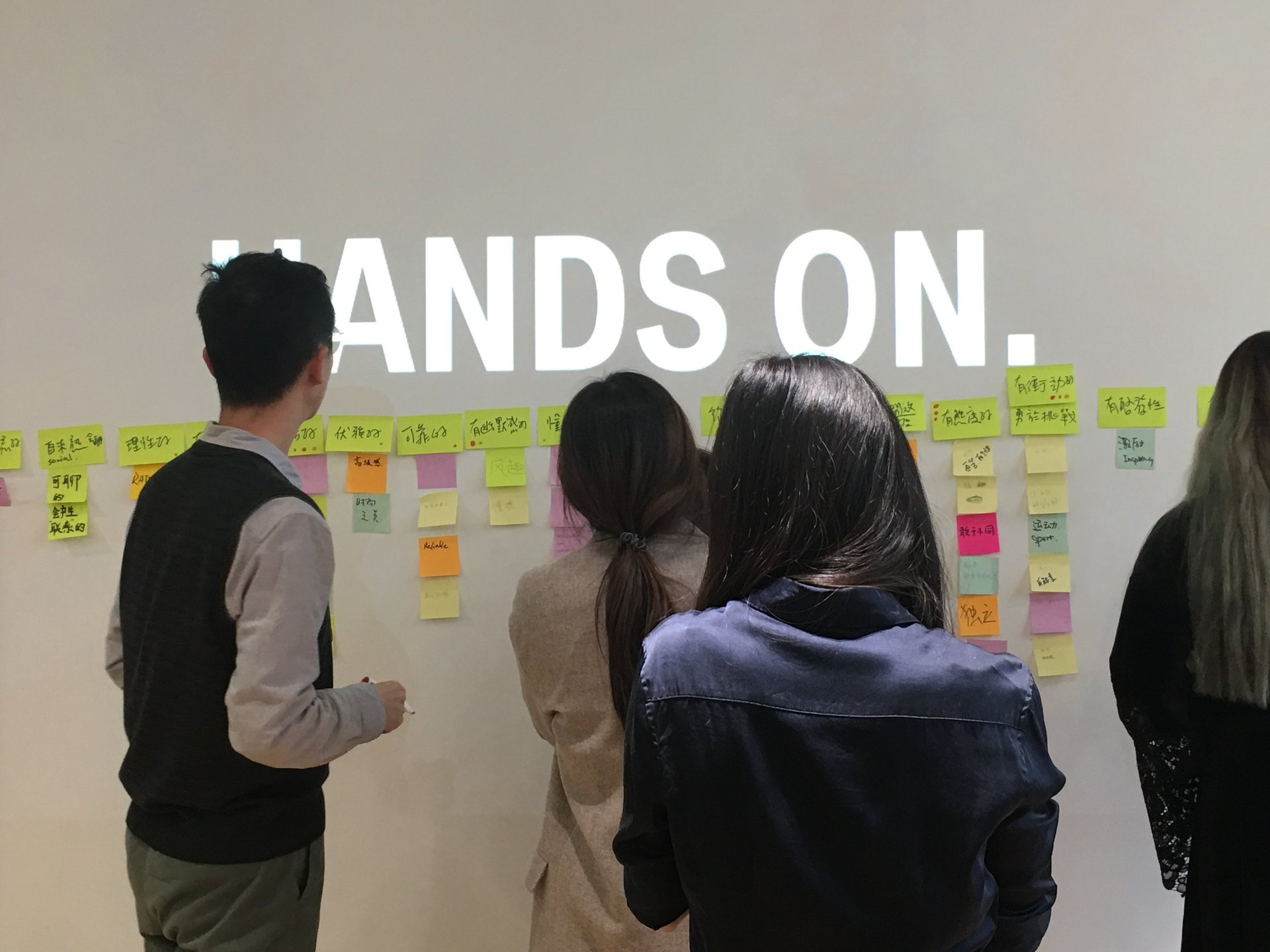
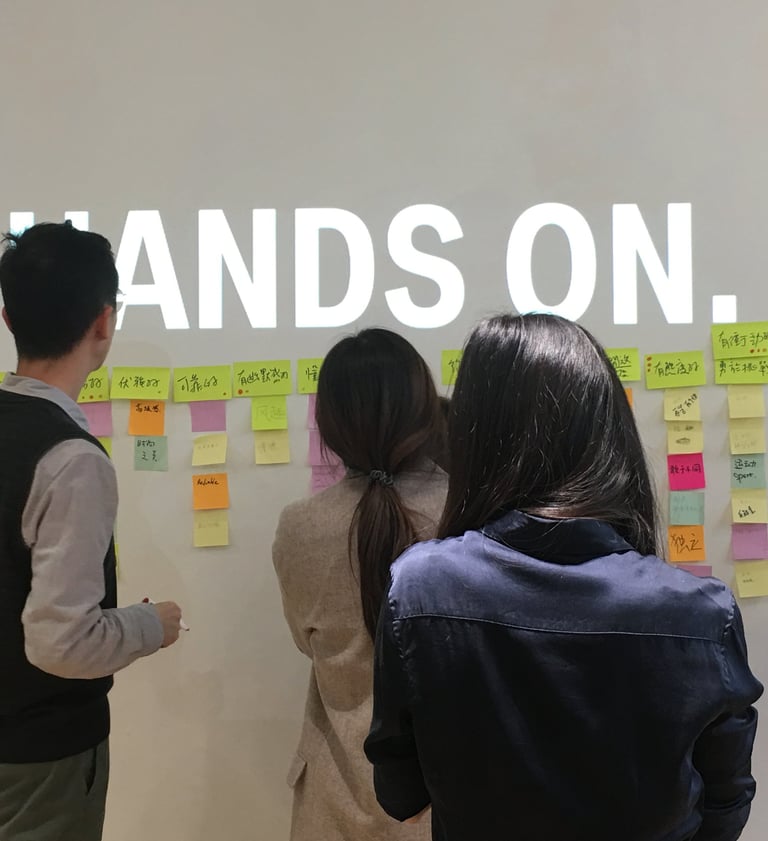
Stakeholders scored character traits during the persona workshop
Pillar 1 - Established Identity
The transition began with moving away from generic, supplier-led audio toward a bespoke brand identity, making the assistant feel like a culturally native companion rather than a foreign tool.
The Persona Definition: I facilitated workshops to define an unified AI persona, ensuring that multiple designers and agencies across global regions contributed to a consistent voice while maintaining the flexibility to tailor dialogue for local cultural nuances.
Branded TTS: I directed the development of custom Text-to-Speech (TTS) voices, overseeing voice character design and on-site recording to ensure a natural, warm, and trustworthy tone.
To achieve the vision of intelligent driving companion, I steered a series of strategic initiatives that systematically matured the four pillars of the assistant’s multimodal ecosystem.
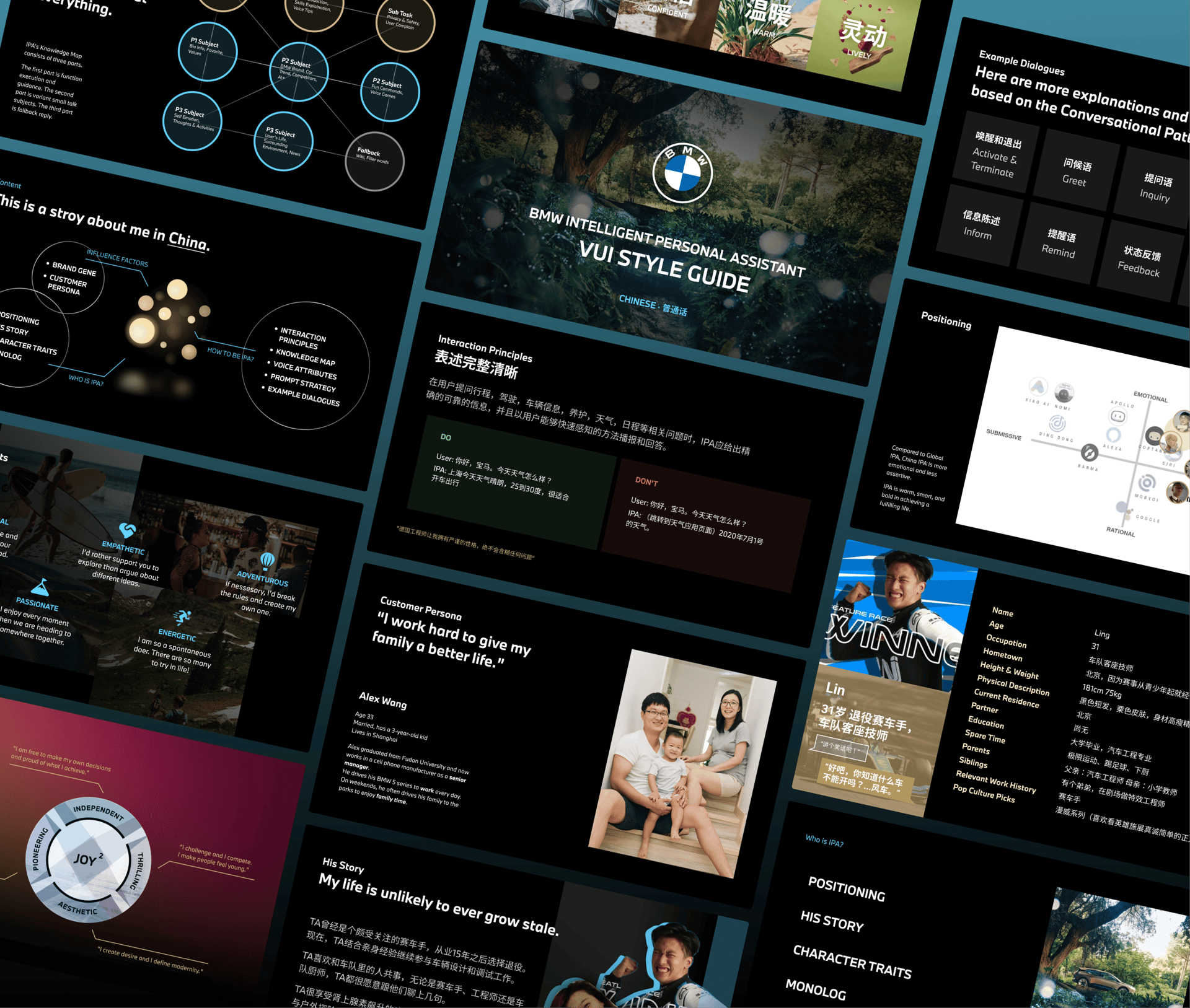
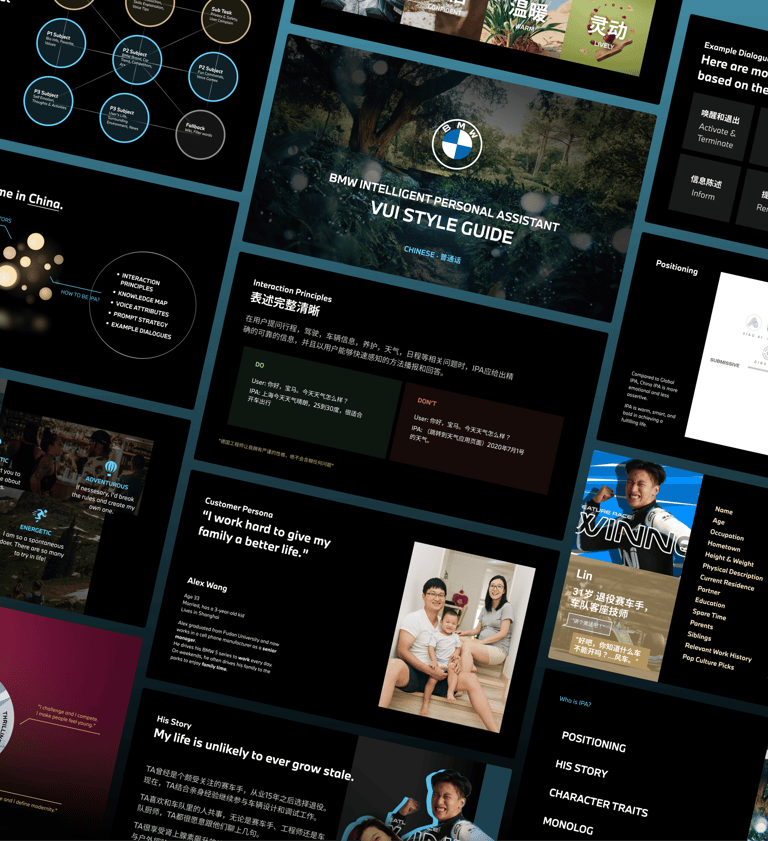
The Voice UI Style Guide
Pillar 2 - Localised Dialogue Intelligence (The China Challenge)
To overcome the limitations of the legacy system, I re-engineered the dialogues specifically for the Chinese market, enhancing user comprehension and task completion rates.
Linguistic Redesign: I designed bespoke dialogue flows that moved away from direct German-to-Mandarin translations to embrace local linguistic patterns and mental models.
Error Recovery: I developed various response error handling tactics, ensuring the assistant could maintain a natural conversation even when faced with complex or ambiguous queries.
VUI Style Guide: I authored a comprehensive VUI Style Guide that codified the interaction guidelines for the Chinese market, which optimised design delivery and cross-functional alignment.
The Smart Widget and Contextual Suggestions
Pillar 3 - Proactive Intelligence
To drive service engagement and solve feature discoverability, I transitioned the assistant from a reactive tool to a proactive partner through iterative experimentation.
Requirements & Logic Definition: I the product requirements and contextual trigger logic, prioritising high-utility use cases like fuel alerts and parking finder to deliver value at the 'precise moment of need' while maintaining safety compliance.
Technical Feasibility & MVP: I managed the exploration of dynamic UI components, weighing the technical constraints against the desire for a modern 'smart widget' interface, facilitating cross-functional alignment to secure sign-off for a production-ready MVP.
Data-Informed Roadmap Evolution: I leveraged research insights to establish the long-term strategic direction for next-generation intelligence, ensuring current findings informed the future roadmap for future vehicle models.
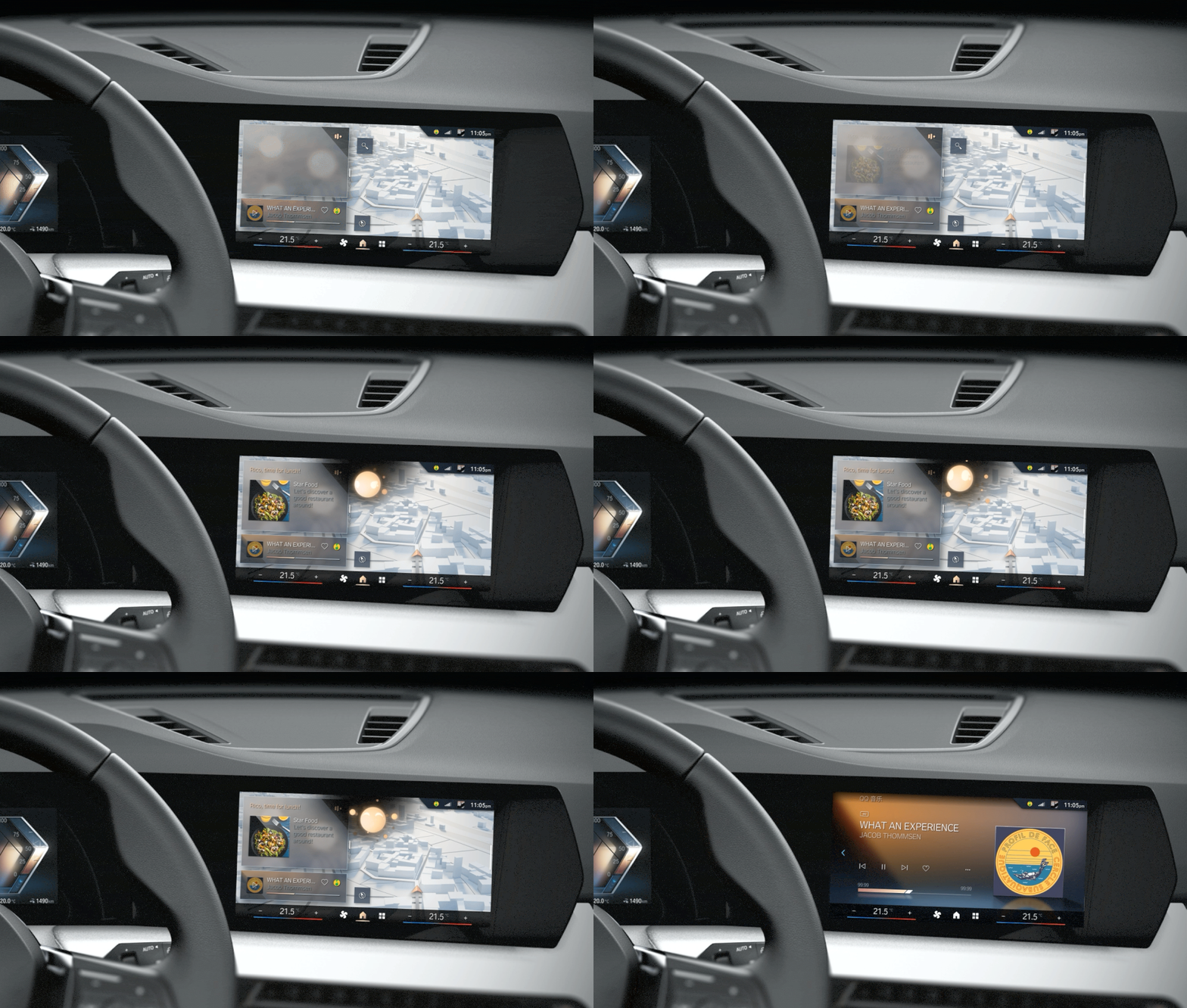
The Contextual Emoji Concept Developed upon iDrive 9 Framework
Pillar 4 - Emotionally Intelligent Avatars & & Market-Fit
Research indicated that users in specific markets, particularly China, sought a deeper emotional connection through visuals. Recognising a strategic opportunity to differentiate in the Chinese market, I drove the evolution of the assistant’s visual identity to meet the specific demand for high-affinity, emotional AI interaction.
Visual Framework Design: I defined a cohesive avatar framework that balanced 'on-brand' consistency with the emotional range required to drive user engagement in competitive markets.
Emotion Expression Strategy: I implemented an expression-tagging system within the dialogue flows, ensuring the avatar’s visual responses were contextually relevant and culturally aligned.
Technical Validation (POC): I facilitated a proof-of-concept to assess the commercial viability of emotion-detection technology, providing the data-driven risk assessment needed for future product cycles.
Strategic Ideation: I led the 'Contextual Emoji' concept development to explore real-time, AI-generated feedback, creating a blueprint for deepening the human-machine bond in future iterations.

The Expressive Avatar launched on iDrive 8
Bridging the Global Gap
Aligning a Global Design Organisation
I ran a weekly cross-regional Design Roundtable to align the central German team with regional designers. This forum enabled real-time critique of key decisions, ensuring features remained culturally relevant while preserving the integrity of the VUI Style Guide.
Moving Toward Data-Driven Iteration
I partnered with Product Managers to analyse assistant usage data and identify where users abandoned interactions. Combined with UX research insights, these findings informed targeted improvements to dialogue flows and behavioural logic.
Safeguarding Experience in Implementation
I worked closely with engineering teams during delivery, providing interaction logic specifications to ensure the assistant’s branded persona translated accurately into code. I also led production reviews to validate the final in-vehicle experience.
To ensure the assistant scaled successfully across markets, I worked at the intersection of global product strategy, regional user insight, and technical delivery—aligning international teams, grounding decisions in data, and safeguarding the integrity of the experience through implementation.


Sometimes, a jar of beer did the trick.
THE Impact
Task Success Rate: Reduced 'intent-not-found' errors in the Chinese market by 40% through localised linguistic re-engineering.
Brand Perception: Higher qualitative scores for 'intelligence' and 'innovation' in post-launch user clinics following the introduction of the Smart Suggestions feature.
Product Adoption: Realised an increase in monthly active users following the avatar launch, sustained by a notable reduction in response latency.
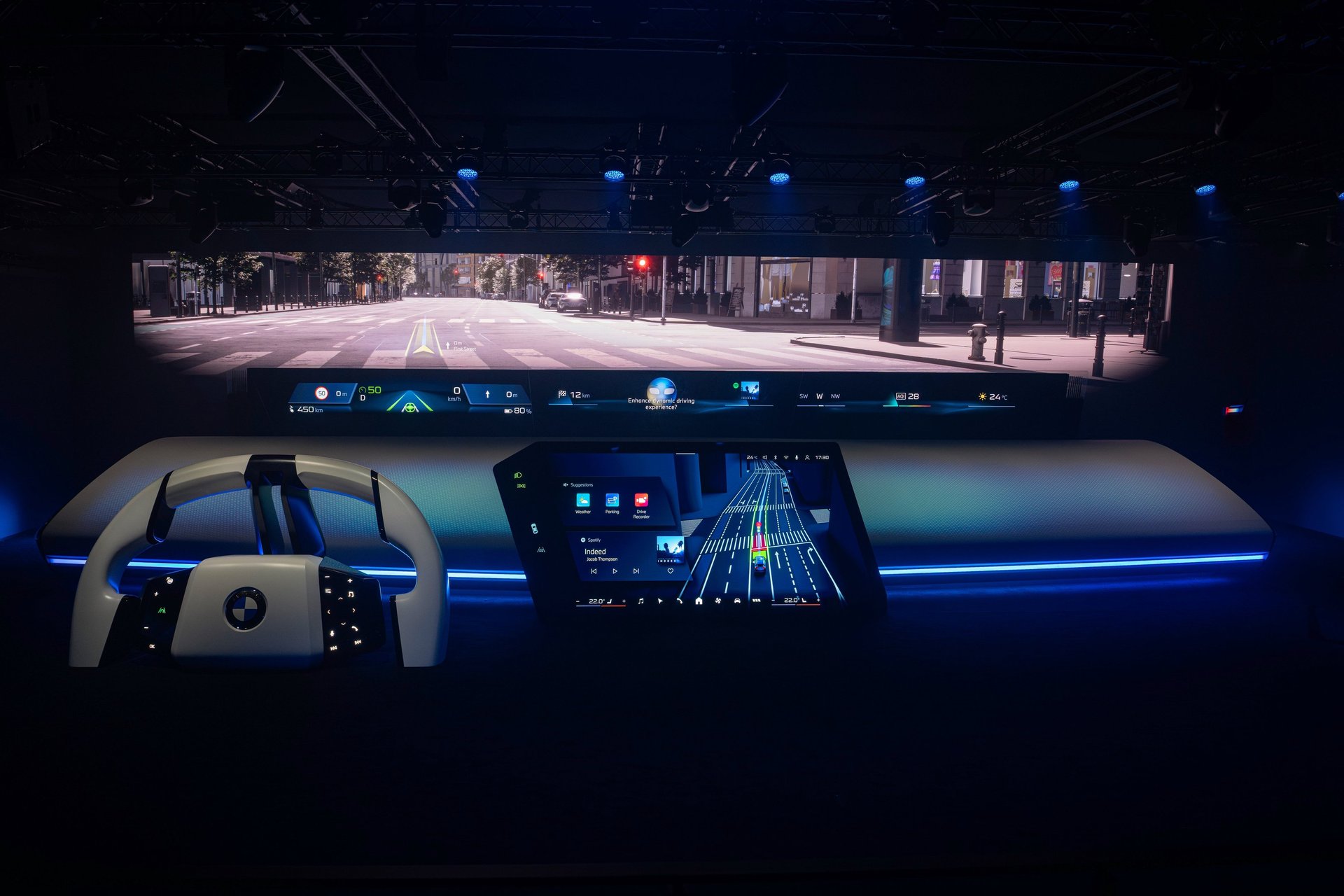
REFLECTION: The Shift to Generative AI
Working on the BMW Intelligent Personal Assistant provided a front-row seat to the limits of 'scripted' intelligence. As the world move into the era of Generative AI, the nature of product building is fundamentally changing.
In the past, achieving 'empathy' required manually mapping thousands of dialogue permutations. Today, LLMs make infinite conversational flexibility technically possible. We no longer spend time hard-coding every 'if-this-then-that' scenario; the AI can now handle nuance and complex queries that previously broke legacy systems. As the barrier to 'natural' conversation drops, I observed the challenge for premium brands has quickly shifted from execution to governance:
Brand Integrity: When an AI can say anything, 'on-brand' behaviour must be enforced through Constitutional AI and strict guardrails rather than scripts.
Curation over Creation: The role of the designer evolves into a curator of experience, managing the balance between AI 'delight' and the mission-critical reliability required in a vehicle.
The Trust Economy: With AI becoming more humanoid, building long-term trust requires absolute transparency in how the AI processes data and arrives at its decisions.
While the transition introduces unprecedented uncertainty and new technical hurdles, I find it incredibly exciting. It marks a move toward a future where we can finally realise the true potential of human-centric, intelligent companions. Experiencing and embracing these challenges is, for me, the most rewarding aspect of being at the forefront of AI product design.